
Karratha’s heat does not just make driving uncomfortable. It actively shortens the life of your vehicle’s auto electrical components. Batteries, alternators, starter motors and wiring all degrade faster when temperatures regularly push past 40 degrees, and parts that would last five or six years in Perth or Melbourne can give up in half that time up here in the Pilbara.
At Route 1 Mechanical, we see the same six auto electrical issues come through the workshop every summer. Here is what to look for, why it happens, and what you can do now to stay ahead of it before the real heat kicks in.
1. Battery failure that arrives years ahead of schedule
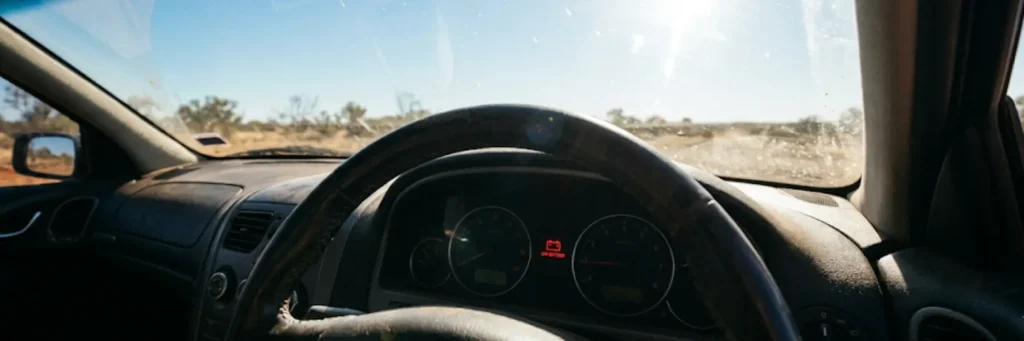
A standard car battery rated for five years in Melbourne might only last two to three in Karratha. That is not an exaggeration. According to battery industry research from Midtronics, battery service life is approximately halved for every 8°C increase in average operating temperature above 25°C (Midtronics, 2026). Karratha’s summer averages sit around 35 to 40°C, with occasional spikes above 45°C, and under-bonnet temperatures can exceed 70°C.
What to watch for:
- Slow cranking when you start the engine, especially in the morning
- A swollen or bloated battery case (a sign of internal gas buildup)
- Corrosion or white powder around the terminals
- Your battery is more than two years old and has never been tested
What to do: Get a battery load test done before October. A load test shows how your battery performs under demand, not just whether it holds a static charge. If the cells are degraded, replacing the battery now is far cheaper than a roadside callout later.
2. Alternator overheat and charging failure
Your alternator keeps the battery topped up and powers every electrical accessory while the engine runs. At 40°C and above, the alternator’s internal diodes and voltage regulator work overtime, and the bearings run hotter than they should. This is one of the most common auto electrical issues we diagnose throughout the Karratha summer.
Signs to look for:
- Headlights dimming at idle and brightening when you rev the engine
- The battery warning light flickering on and off
- A whining or grinding noise from the front of the engine
- Accessories like the stereo or USB charger cutting in and out
What to do: An alternator output test takes minutes. We check voltage and amperage under load to confirm whether your charging system can cope when every accessory is running full bore on a 42°C afternoon.
3. Starter motor heat soak
This one catches people off guard. The car starts perfectly in the morning, then refuses to turn over after sitting in a hot car park for an hour. That is heat soak. The starter motor’s solenoid and internal windings absorb radiant heat from the engine and exhaust, increasing electrical resistance to the point where the motor cannot draw enough current to crank the engine.
The telltale pattern: Fine when cold. Dead after parking at the shops or at smoko. Starts again once it cools down.
What to do: If you notice this pattern, book in for a starter current draw test. We can measure exactly how much current the motor pulls and whether it is within spec. A failing starter in the Pilbara is not a “maybe I will get it looked at next month” situation. It is a “stranded in a hot car park with no shade” situation.
4. Air conditioning electrical overload
When your AC compressor clutch starts to fail or the blower motor resistor is on the way out, the system draws excessive current. That extra load cascades into the alternator and battery, accelerating wear on both. In Karratha, the AC runs almost continuously for six months of the year, so a marginal compressor clutch that might last another season in Perth can fail within weeks here.
Warning signs include:
- AC blowing warm air intermittently
- The engine revs dipping noticeably when the AC kicks in
- A burning smell from the dash vents
- Blown fuses related to the climate control system
What to do: If the AC is playing up, get it checked sooner rather than later. A failing compressor clutch left too long can damage the serpentine belt and overheat the alternator, turning a $300 repair into a $1,200 one. We diagnose and repair AC electrical faults as part of our auto electrical services.
5. Electric cooling fan failure
Your radiator’s electric cooling fans are the only thing standing between a functioning engine and catastrophic overheating when you are sitting in traffic on a 42°C day. If the fan motor, relay or temperature sensor fails, your engine temperature can spike within minutes.
What to watch for:
- The temperature gauge climbing when you are stopped or crawling in traffic
- The fan not kicking in even after the engine has been idling for several minutes
- A check engine light combined with rising temperature
What to do: We test fan operation, relay function and coolant temperature sensors as part of our cooling systems services. If the fan motor is sluggish or drawing too much current, replacing it now prevents the kind of overheating that leads to engine damage and expensive rebuilds.
6. Wiring and connector corrosion

The Pilbara is a unique combination of extreme heat, red dust and coastal humidity. That fine, iron-rich dust is mildly conductive. When it gets into electrical connectors alongside moisture, it creates resistance and intermittent shorts. Add UV exposure that makes wiring insulation brittle over time, and you have a recipe for gremlins that come and go without warning.
Common symptoms:
- Intermittent warning lights with no consistent pattern
- Accessories that work one day and not the next
- Burning smell near the fuse box or under the dash
- Corrosion visible on battery terminals, earth straps or plug connectors
What to do: A visual wiring and connector inspection is part of any thorough car service at Route 1. We check earth straps, inspect high-risk connector blocks and clean or replace corroded terminals before they cause bigger faults.
Book a pre-summer electrical health check
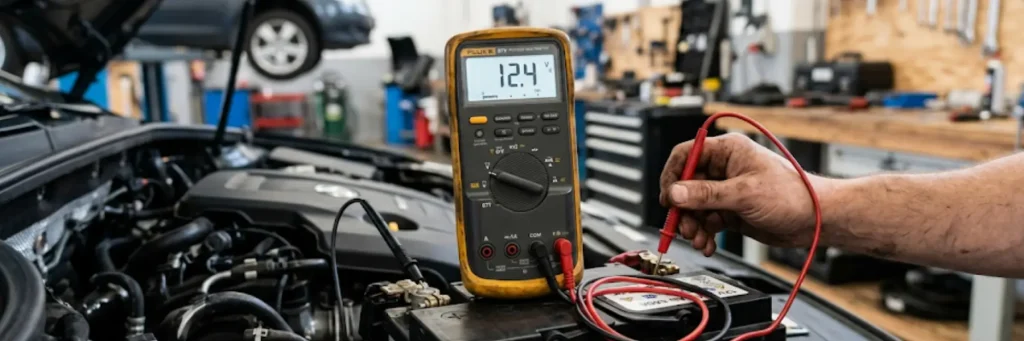
We recommend every Karratha vehicle gets a dedicated electrical health check before the heat sets in. Here is what that typically includes:
- Battery load test and terminal inspection
- Alternator output test under load
- Starter motor current draw test
- Earth strap and ground point inspection
- Cooling fan operation and relay check
- Diagnostic scan for stored fault codes
A pre-summer check like this typically runs between $80 and $150 depending on the vehicle, and it is one of the most cost-effective things you can do to avoid a breakdown when temperatures peak. Book your check with Route 1 Mechanical or call us on 08 5106 7668.
Frequently Asked Questions
What does an auto electrician charge per hour in Karratha?
Rates in Karratha generally range from $120 to $180 per hour depending on the workshop and the complexity of the job. At Route 1 Mechanical, we quote upfront wherever possible so there are no surprises.
Can a regular mechanic do auto electrical work?
Yes, provided they have the right diagnostic equipment and training. Our team at Route 1 handles everything from battery replacements to complex wiring fault diagnosis using state-of-the-art scan tools.
How do I know if my problem is the battery or the alternator?
A slow crank usually points to the battery, while dimming lights at idle suggest the alternator. The only reliable way to tell is with a proper load test and charging system check, which we can do in under 30 minutes.
How often should I get my car’s electrical system checked in the Pilbara?
At least once a year, ideally before summer. If your vehicle is over five years old or you drive on unsealed roads regularly, every six months is a smart move. Include it in your next logbook service.
Is it safe to jump-start a modern car with all the computers?
It can be, but only if done correctly. Reversed polarity or voltage spikes can damage sensitive ECUs and modules. If you are unsure, call us rather than risk it.
Price disclaimer: the prices in this article are rough estimates only and are subject to change after we inspect your vehicle. For an accurate quote, call Route 1 Mechanical on 08 5106 7668.